Charting Love: The Ways Couples Guidance Can Strengthen Your Relationship
Moving through the complexities of love often creates difficulties that can test even the strongest relationships. Couples counseling delivers a structured approach to tackle these problems, fostering open communication and mutual understanding. By investigating feelings and rebuilding trust, partners can uncover pathways to more meaningful connection. Yet, many stay hesitant about seeking help. What might they learn about themselves and their relationship in the process? The answers may amaze them.
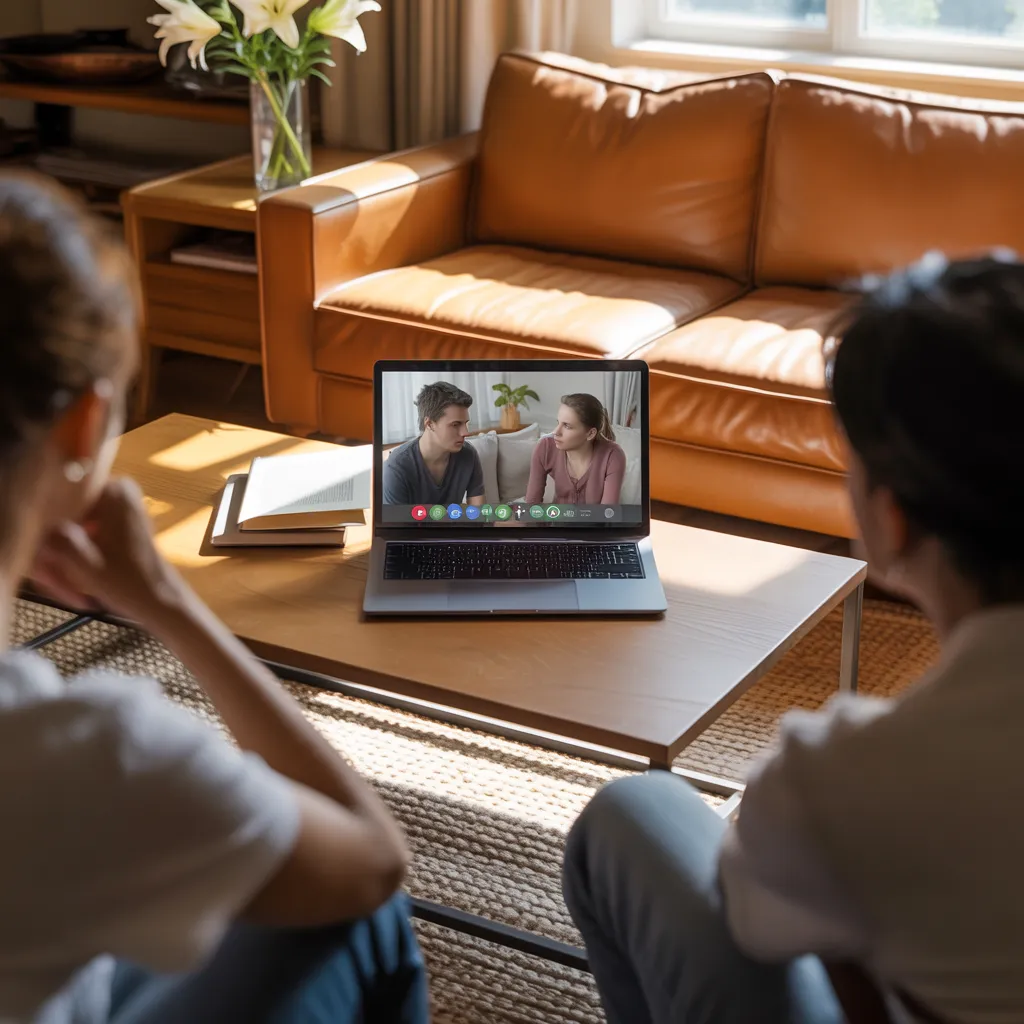
Typical Issues in Relationship Counseling
Partners frequently pursue therapy when facing ongoing challenges that impede their bond. Common challenges include communication breakdowns, where partners struggle to express their feelings or misunderstand each other. Trust issues frequently arise from past betrayals or insecurities, leading to emotional distance. Numerous partners additionally struggle with conflicting principles or aspirations, generating tension and dissatisfaction. Intimacy issues, be they affective or physical, may further amplify pressure, leaving one or both individuals feeling discontent.
Conflict resolution skills often need refinement, as unresolved arguments can spiral into resentment. Fiscal anxiety stands as another frequent problem, shaping day-to-day engagement and long-range goals. Additionally, external pressures from family or work can strain the partnership. Recognizing these common issues is essential, as they often serve as catalysts for seeking professional help, facilitating a deeper understanding of each partner's needs and fostering healthier dynamics.
The Value of Obtaining Professional Help for Your Relationship
Seeking professional help can be a powerful step for couples maneuvering challenges in their relationship. Working with a qualified counselor offers a safe space for open communication, allowing individuals to express feelings that may be challenging to articulate otherwise. This environment fosters understanding and empathy, enabling partners to view issues from each other's perspectives.
Furthermore, couples counseling arms partners with vital tools and strategies to address conflicts more effectively. These abilities can strengthen emotional intimacy and elevate overall relationship satisfaction. Professional guidance also helps identify underlying patterns and triggers that lead to recurring conflicts, offering a clearer path toward resolution.
Furthermore, pursuing help reflects a commitment to the relationship, demonstrating that both partners appreciate their bond and are ready to invest effort in its betterment. Finally, the rewards of professional intervention can result in healthier dynamics, improved trust, and a renewed sense of connection.
Learning About Couples Counseling and Its Process
Couples counseling operates as a structured approach to guide partners address relationship challenges. Understanding its foundational steps is essential for maximizing the benefits of therapy. This section will outline what couples counseling entails and the process involved in finding a resolution.
What Exactly Is Couples Counseling?
When partners encounter persistent challenges in their relationship, couples counseling can deliver a structured environment to address these issues. This therapeutic approach utilizes a trained professional who facilitates discussions between partners, working to improve communication and understanding. Couples counseling focuses on identifying patterns of behavior and emotional responses that may cause conflicts. It empowers partners to express their feelings in a safe space, promoting empathy and connection. Sessions typically entail exploring individual perspectives and shared experiences, which can lead to deeper insights into the relationship dynamics. By engaging in couples counseling, partners have the opportunity to create healthier coping strategies, rebuild trust, and enhance intimacy, ultimately progressing to a more fulfilling relationship.
Process Steps
Managing the journey of couples counseling requires a series of structured steps designed to foster understanding and facilitate healing. To begin with, couples engage in an assessment phase, where they review their relationship dynamics and individual concerns. This is continued with the goal-setting phase, permitting partners to articulate their desires for change. During sessions, therapists direct discussions, encouraging open communication and active listening. Couples learn to identify patterns of behavior and explore underlying issues. As progress is made, strategies and coping mechanisms are introduced to help partners navigate conflicts effectively. Finally, as couples approach resolution, they reflect on their journey, celebrating growth and establishing tools for future challenges, securing a lasting impact on their relationship.
Choosing the Right Couples Counselor for Your Specific Needs
Selecting the right couples counselor involves careful consideration of their qualifications and experience. It is also crucial to investigate the diverse counseling approaches they use to ensure alignment with the couple's specific needs. Understanding these factors can substantially affect the effectiveness of the counseling process.
Reviewing Professional Background And Experience
How do couples be certain they pick the right counselor for their particular needs? Reviewing qualifications and experience is critical in this decision-making process. Couples should prioritize counselors who hold appropriate degrees in psychology, social work, or counseling, as these credentials indicate a foundational knowledge of relationship dynamics. Moreover, specialized training in couples therapy, such as Emotionally Focused Therapy or the Gottman Method, can enhance the counselor's effectiveness. Experience is important, too; a counselor with a proven track record in successfully managing similar issues can provide customized guidance. Couples should also consider seeking reviews or testimonials, making sure the counselor's approach matches their values and expectations. Ultimately, a thorough evaluation of qualifications and experience establishes the foundation for a beneficial counseling journey.
Investigating Therapeutic Methods
While navigating through the complexities of relationships, couples often find that the strategy a counselor uses can significantly influence their therapeutic journey. Multiple counseling methodologies exist, including Emotionally Focused Therapy (EFT), Cognitive Behavioral Therapy (CBT), and Imago Relationship Therapy. Each presents unique strategies customized to different needs. For instance, EFT focuses on emotional bonding, while CBT emphasizes changing negative thought patterns. Couples should consider their specific challenges—communication issues, trust deficits, or differing values—when selecting a counselor. A good match can improve engagement and foster positive outcomes. In the end, understanding these approaches allows couples to make informed decisions, making sure that their counseling experience corresponds with their personal goals and relationship dynamics.
What to Anticipate During Your First Couples Therapy Appointment?
Walking into a couples counseling session for the first time can bring about a mix of nervousness and interest. Couples may wonder about the structure of the session and what the counselor will inquire about. Usually, the initial meeting focuses on building a safe environment, enabling both partners to communicate their concerns and feelings. The counselor may prompt each person to share their perspective on the relationship, fostering open communication.
Plan to review the relationship's journey, including happy moments and challenges. This exploration helps the counselor identify underlying issues. The couple may also create goals for therapy, outlining what they aim to reach. Throughout the session, the counselor will encourage dialogue, ensuring that both partners feel valued and understood. Overall, the first session serves as a foundation for future discussions, helping couples grasp the benefit of counseling in managing their relationship challenges.
Smart Approaches to Enhance Your Couples Counseling Sessions
Optimizing the impact of couples counseling sessions necessitates deliberate preparation and active engagement from both partners. To commence, couples should define clear objectives for their counseling journey, pinpointing specific issues they wish to address. This focus can guide discussions and guarantee that sessions remain effective.
Active listening is vital; each partner should demonstrate empathy and avoid interrupting each other. This fosters a safe environment for transparent conversation. Additionally, couples are urged to engage in homework assignments or exercises recommended by the counselor, as these comprehensive resource can enhance concepts discussed during sessions.
Regularly reflecting on progress outside of counseling can also enhance the effectiveness of the process. Couples should dedicate time to review their feelings and insights between sessions. Finally, maintaining a positive attitude and being open to change can considerably shape the success of their counseling experience, fostering a deeper connection and understanding.
Questions & Answers
How Long Does Couples Counseling Typically Last?
Couples therapy generally runs between 6 to 12 sessions, based on the individual challenges and goals. Each session generally spans around 50 minutes, enabling couples to examine their concerns and develop stronger communication strategies.
Can Couples Therapy Work for Long-Distance Relationships?
Professional couples counseling is effective for relationships spanning distances, as it supplies methods for communication and conflict resolution. Therapists can help partners handle special concerns, cultivating an emotional bond despite physical separation, finally strengthening relationship satisfaction.
How to Handle a Situation Where One Partner Won't Attend Counseling?
Should one partner be disinclined to attend counseling, progress might plateau. The other partner can nonetheless pursue individual therapy, promoting personal growth and gaining insights that may encourage change or open communication in the relationship.
Are There Specific Techniques Used in Couples Counseling?
Couples counseling employs multiple approaches, including mindful listening, dialogue activities, role-play scenarios, and dispute management techniques. These methods seek to boost mutual insight, encourage empathy, and refine relationship patterns, finally directing partners in the direction of improved interactions and resolutions.
How Do We Track Our Progress in Counseling?
Development in counseling can be measured through strengthened communication, decreased conflict frequency, enhanced emotional intimacy, and the effective implementation of coping strategies. Routine feedback sessions with the counselor also give insight into each partner's development.