Compassionate LGBT Mental Health Services: Aiding Your Progression to Well-Being
Compassionate LGBT counselling services have a crucial part in fostering psychological wellbeing and personal growth within the community. These services create a safe space for individuals to examine their sense of self and face societal pressures. By utilizing tailored counseling methods, clients can build strength and self-acceptance. Recognizing the influence of these services leads to important inquiries about their effectiveness and the transformative experiences they can provide. What transformations might await those who pursue this assistance?
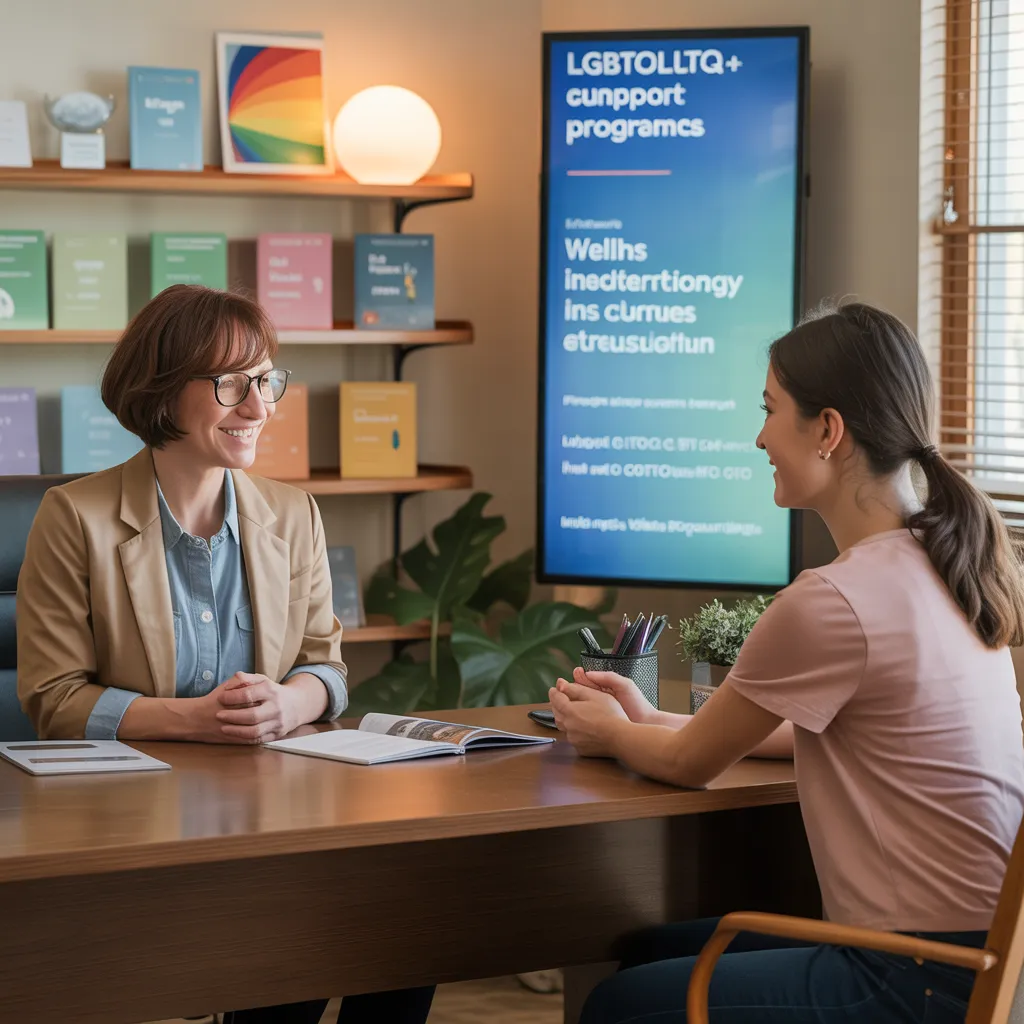
LGBT Counselling: Why It Matters
LGBT support services represents an indispensable resource in addressing the distinctive challenges experienced by members within the community. It provides a safe and validating space where seekers can explore their identities, emotions, and personal narratives without fear of judgment. These supports are built to recognize diverse sexual orientations and gender expressions, fostering a sense of acceptance and acceptance.
Counsellors trained in LGBT issues employ culturally competent practices to better understand the nuances of clients' lives. This specialized approach not only enhances mental health but also enables people to manage societal pressures, relationship dynamics, and individual development.
Further, LGBT counselling can assist in developing coping strategies for stress, anxiety, and depression, which may arise from experiences of isolation or discrimination. By placing focus on emotional well-being, these services play a pivotal role in enhancing the overall quality of life for LGBTQ+ people, fostering resilience and self-acceptance.
Obstacles Impacting the LGBT Community
Although advancements have occurred in many domains, major obstacles continue to confront the LGBT community. Prejudice stays widespread, impacting various aspects of life, including work, medical services, and housing. Many individuals face discrimination and bias, resulting in increased mental health struggles. Furthermore, the lack of thorough legal protections in some regions exacerbates these problems, rendering members of the community vulnerable to mistreatment and assault.
Mental health difficulties are quite striking, as individuals often face internalized homophobia and societal rejection. Social isolation can aggravate these obstacles, as supportive networks may be insufficient or non-existent. Moreover, access to culturally competent healthcare delivery is commonly substandard, leaving many without essential backing.
Facing these difficulties requires resilience and advocacy, emphasizing the imperative for increased awareness and targeted interventions to advance tolerance and representation. Addressing these challenges is important for the overall well-being of the LGBT community.
Find Out What Your Counselling Session Will Entail?
During an LGBT counselling session, the opening evaluation procedure is crucial for understanding the client's distinctive needs and backgrounds. This foundational stage sets the stage for the therapeutic techniques that will be utilized throughout the process. Clients can expect a tailored approach that emphasizes their personal situations and goals.
Opening Review Procedure
The first evaluation procedure serves as an essential foundation for productive therapy meetings. During this phase, clients are invited to share their experiences, concerns, and goals in a secure, nurturing setting. The counsellor performs a comprehensive assessment, collecting pertinent information about the client's background, mental health history, and current challenges. This conversation aims to establish connection and confidence, enabling clients to feel understood and valued. Additionally, the counsellor may explore the client's expectations and desired outcomes from the counselling experience. By creating a thorough comprehension of the client's requirements, the first evaluation sets the stage for tailored support and effective intervention, ensuring that clients feel empowered and equipped on their path to wellness.
Therapeutic Methods Utilized
Counselling sessions feature a range of healing techniques customized to address each patient's individual needs. Approaches such as CBT help clients question and reconstruct harmful thinking habits, promoting more positive perspectives. Story-based therapy encourages individuals to explore and transform their life narratives, strengthening sense of self and personal agency. Additionally, mindfulness practices promote mood management and awareness of the present, assisting clients in coping with anxiety and stress. Supportive techniques, such as active listening and compassion, establish a secure space for honest communication. Group therapy may also be employed, fostering community and shared experiences among clients. Each technique is carefully selected to address specific challenges faced by LGBT individuals, ensuring a thorough and caring approach to their mental health and well-being.
LGBT Therapy Confronts Common Challenges
While moving through a world often laden with discrimination and misunderstanding, many persons within the LGBT community face special emotional and psychological challenges. LGBT counselling addresses these issues by providing a safe, affirming space where clients can articulate their feelings without fear of judgment. Counselors are trained to understand the complexities of identity, including coming out, relationship dynamics, and societal pressures.
Through tailored counseling techniques, such as CBT and narrative therapy, clients explore their thoughts and life events, fostering emotional strength and self-acceptance. The priority on empowerment enables people navigate internalized stigma and external biases, supporting healthier coping mechanisms.
Furthermore, LGBT counselling often incorporates discussions around intersectionality, recognizing how various identities overlap, affecting mental health. By addressing these typical challenges, therapy assists clients in building a stronger personal identity and community, ultimately promoting their path toward well-being and satisfaction.
Selecting the Perfect LGBT Advisor for Yourself
Steering the journey toward mental health often involves locating the appropriate assistance. For individuals within the LGBT community, choosing a counsellor who comprehends their unique situations and challenges is crucial. Important considerations include the therapist's qualifications, background, and knowledge with LGBT issues.
Prospective clients should find professionals who possess a background in LGBTQ+ issues, ensuring they can handle difficult emotions and cultural expectations effectively. Recommendations from others, digital feedback, and specialist registries can be helpful references in this hunt.
Additionally, an initial consultation can evaluate compatibility; it offers an chance to assess the counsellor’s approach and communication style. Feeling secure and understood is paramount, so clients should trust their instincts regarding the connection established. Ultimately, the right LGBT counsellor can greatly enhance the therapeutic experience, fostering growth and resilience on the path to well-being.
Success Stories: Life-Changing Effects of LGBT Counselling
LGBT counselling has functioned as a catalyst for self-development, allowing individuals to explore and accept their identities. Many have reported experiences of overcoming significant hurdles and discovering a sense of community within supportive communities. These success stories demonstrate the profound impact counselling can have on the lives of similar information LGBTQ+ individuals.
Self Enhancement Passages
Counselling can work as a major influence for individual growth, especially in the LGBT community, where individuals often address unique hurdles. Many clients report substantial changes after participating in supportive therapy. For instance, one individual found the bravery to accept their identity, causing greater self-regard and healthier connections. Another client developed the ability to establish boundaries, building crucial skills for everyday and professional life. These journeys underscore the impact of personalized counselling approaches, prioritizing respect and empathy. By sharing experiences and insights, individuals not only cultivate resilience but also encourage those facing similar struggles. Such success stories underscore the importance of compassion in counselling, reinforcing that individual advancement is possible and can result in a satisfying existence.
Overcoming Identity Challenges
Handling identity challenges can be a daunting journey, yet counselling frequently provides a transformative pathway for many individuals. Clients typically report considerable improvements in their self-perception and acceptance through qualified support. For instance, one individual learned to embrace their identity after facing internalized stigma, eventually finding empowerment in their uniqueness. Another client, who experienced familial rejection, uncovered coping strategies that strengthened resilience and self-love. These success stories underline the key role of LGBT counselling in aiding personal growth and healing. By addressing feelings of isolation and confusion, counselling supports individuals in cultivating a stronger sense of self, opening the door to a fulfilling life rooted in authenticity and acceptance.
Building Supportive Communities
Many people have discovered that establishing encouraging communities can greatly enhance their journey towards being accepted and belonging. These communities frequently provide safe spaces where members discuss experiences and challenges without fear of judgment. There are many success stories showing how group support fosters resilience and empowerment. For example, one person explained how joining a local LGBT group offered not only friendship but also key mental health resources. Another participant described attending workshops that resulted in significant personal growth and increased confidence. Through these shared experiences, individuals frequently find a sense of identity and purpose, reinforcing that connection and understanding can change lives. Ultimately, supportive communities have an important role in supporting well-being within the LGBT population.

Further Tools for LGBT Counselling and Guidance
While handling the complexities of life, people within the LGBT community often look for additional materials to supplement their counselling experiences. Various organizations offer support tailored to their unique needs. Internet-based platforms, such as forums and chat rooms, provide a protected space for discussing experiences and advice. Local LGBT centers regularly host workshops, support groups, and social events, promoting community connections.
Additionally, educational resources, comprising books and articles, can strengthen knowledge of personal issues and societal challenges. Hotlines managed by trained professionals offer immediate relief for those in crisis. In addition, mental health apps tailored for the LGBT community can deliver stress management approaches and relaxation techniques.
Popular Inquiries Posed
How Do I Recognize if Counselling is Necessary for Me?
People may need therapy if they experience ongoing emotions of depression, anxiety, or confusion, have difficulty in personal connections, or face major transitions. Recognizing these signs can help determine the necessity of seeking professional support.
Is LGBT Counselling Different From Traditional Therapy?
LGBT therapy frequently tackles particular cultural, identity, and community-focused issues that conventional therapy might overlook. It establishes a secure, supportive environment for people to explore their experiences, promoting comprehension and personal growth specific to their sense of self.
What Credentials Should I Search for in a Counsellor?
As you seek a counsellor, you must emphasize credentials such as appropriate educational background, licensure, specialized training in LGBT issues, experience in the field, and a proven dedication to comprehending diverse sexual and gender identities.
Is Online Counselling Available for Me?
Yes, digital therapy sessions are available. Many specialists offer virtual appointments, ensuring flexibility and accessibility. It's vital for persons to ensure that their designated counsellor is qualified and seasoned in executing effective online support.
What Protections Exist for LGBT Counselling Privacy?
LGBT therapy services stress confidentiality, making sure clients' identities and discussions stay private. Professionals comply with ethical guidelines, safeguarding personal information while fostering a safe environment for candid discussion and support throughout the counselling process.